How to Plan a Custom Diesel Build Without Chasing Parts First
A useful custom diesel build starts with the job the vehicle needs to do—not a random parts list. Here is how to arrive prepared for the first conversation.
A custom diesel build is easier to plan when the first question is not, “Which part should I buy?” It is, “What does this truck need to do when the work is finished?”
That distinction matters. A vehicle used for a daily commute, a working truck, a tow rig, or a specific custom project may need a different conversation about reliability, response, supporting systems, current condition, and realistic next steps. At JBJ Diesel in Caldwell, the starting point is the vehicle, the goal, and the system around it.
Start with the job, not the catalog
Before you make a list of components, write down how the vehicle is actually used. Be as specific as possible. Consider the weight you normally carry or tow, where you drive, how often the vehicle works, and what you want to improve. You may be focused on response, durability, a broader change in purpose, or simply resolving a known issue before a larger project moves forward.
That context helps the first conversation stay useful. It also keeps a custom project from being reduced to one visible part while the rest of the vehicle is left out of the discussion.
Think in systems
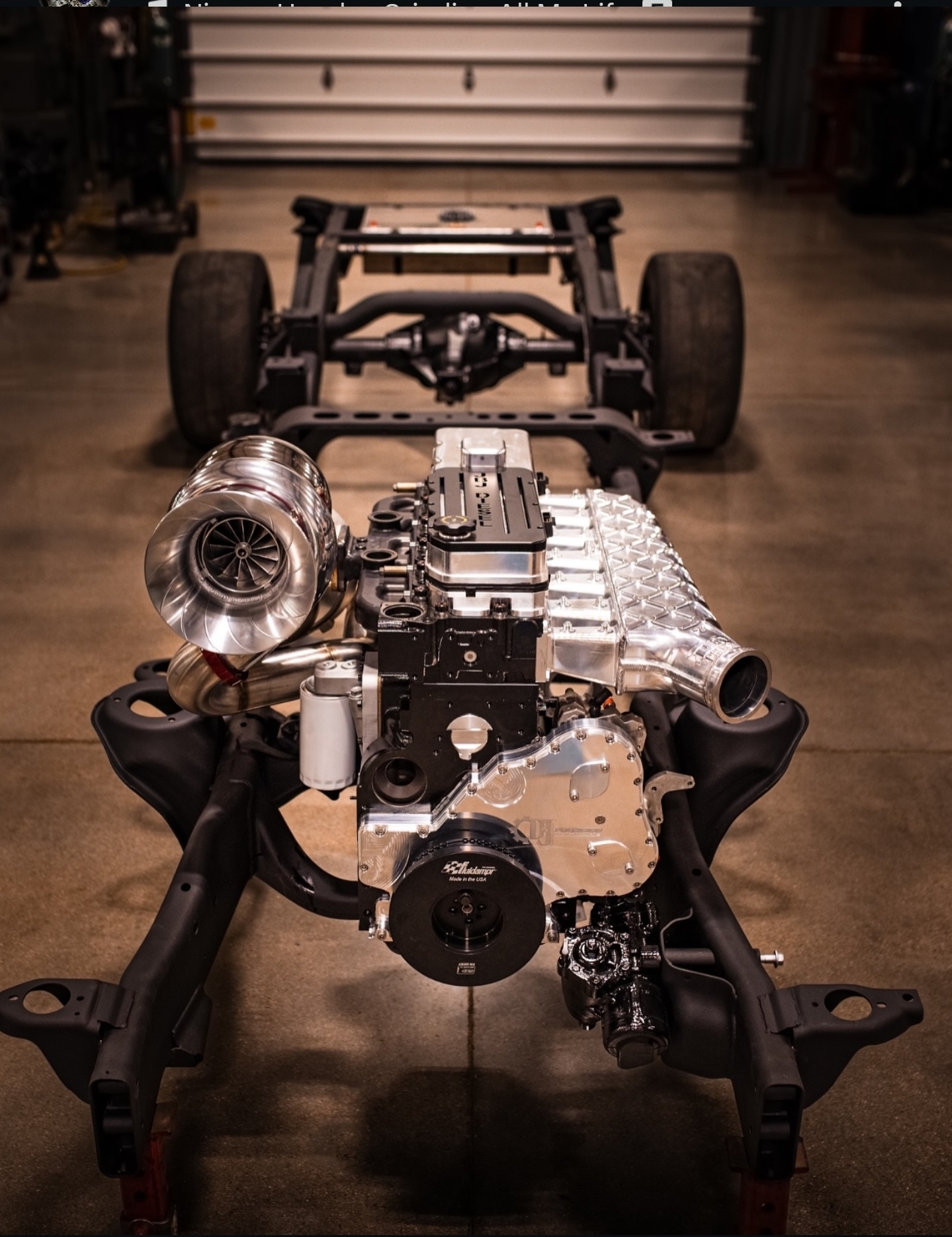
A serious custom diesel project is more than an individual component. The engine, turbo or airflow path, fuel system, supporting hardware, drivetrain, current vehicle condition, and intended use all affect the eventual scope. The right direction depends on how those pieces work together—not only on what looks impressive on a parts list.
Bring the vehicle’s story with you. A concise description of the current setup, recent repairs, known concerns, and the end goal gives the shop a much better place to begin. Photos of the vehicle or existing parts, service records, and notes about prior work can also make the first review more productive.
Give the shop the right starting file
For a first custom-work conversation, it helps to have the following information ready:
| Bring or know | Why it matters |
|---|---|
| Year, make, model, and engine | It establishes the correct vehicle context. |
| Current use and intended use | It frames the build around the job the truck needs to do. |
| Current setup and known changes | It helps identify the starting point rather than assuming a stock configuration. |
| Symptoms, concerns, or recent failures | It distinguishes a performance goal from an existing repair issue. |
| Recent repairs and maintenance history | It gives useful context for the next inspection or conversation. |
| Photos, diagnostic information, or current parts | It helps the shop understand what is already in place. |
This is not a request for a perfect file. It is simply a way to replace assumptions with usable information.
Separate safety recalls from build planning
If you are preparing a vehicle for substantial work, it is also reasonable to check the vehicle identification number for open safety recalls. The National Highway Traffic Safety Administration explains that a VIN or license-plate search can show whether a vehicle has an unrepaired recall, while also noting important limits to that search.NHTSA recall lookup
That does not replace a repair inspection or determine the scope of custom work. It is one practical item to keep current while you organize the vehicle’s history.
Build scope comes before major work
At JBJ Diesel, the next step is to confirm vehicle and project fit. That may mean discussing repair work, custom build direction, component selection, or the information needed before an inspection. Availability, scope, and the right path forward depend on the vehicle, its condition, the desired result, and current shop schedule.
JBJ Diesel does not provide tuning. Dyno access is described only as available on request for a specific vehicle and project conversation. The shop also does not provide mobile or on-site repair; customers arrange service through the Caldwell location.
Bring a clear goal to the Caldwell shop
If you are considering custom diesel work, start with the intended use and the full vehicle context. JBJ Diesel works with customers from Caldwell, Boise, Nampa, Meridian, Eagle, and across the Treasure Valley from one Caldwell shop. Call first to discuss the vehicle, the project scope, and the best way to begin.
Related paths: See Custom Work · Review Diesel Services · How the Service Area Works · Contact the Caldwell Shop
Common questions
Do I need a complete parts list before I call?
No. A clear description of the vehicle, its current setup, the intended use, and any known concerns is more useful than a random list of parts.
Will every custom build require the same upgrades?
No. Scope depends on the vehicle, condition, intended use, existing setup, and the result the owner is pursuing.
Does JBJ Diesel provide tuning?
No. JBJ Diesel does not provide tuning. Ask the shop whether dyno access is available on request for the specific vehicle and project.